Planning Material Flow in Grain Processing
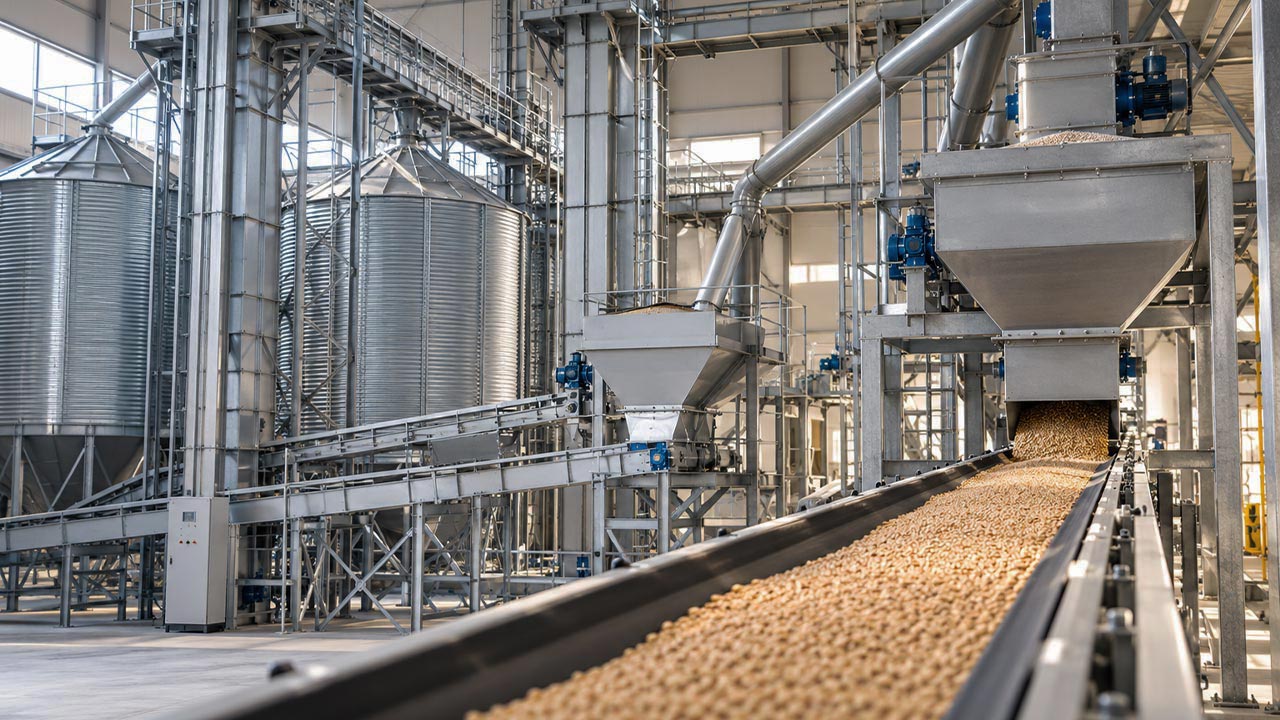
Material flow is one of the foundations of a well-organized grain processing facility. From raw material intake to storage, processing, packaging, and dispatch, each transfer point affects how smoothly the plant operates. A layout that looks efficient on paper can create bottlenecks in daily production if equipment locations, transfer routes, or storage interfaces are not considered as one connected system.
Start with the process, not individual machines
Planning should begin with the product journey. Identify where grain enters the facility, how it is sampled and prepared, where it is stored, which processes it passes through, and how finished products leave the site. This process map helps teams understand the relationship between equipment, building constraints, operating practices, and future capacity needs. It also helps identify unnecessary transfers or points where material may wait between stages.
Consider transfer points and operating conditions
Conveyors, bucket elevators, chutes, bins, and feeding systems must work together. Equipment selection depends on the material being handled, required throughput, vertical lift, route length, available space, and the way upstream and downstream processes operate. Dust control, access for inspection, safe maintenance clearances, and the ability to isolate equipment should be considered during planning rather than added after installation.
Design for reliability and flexibility
A practical material-handling layout should make routine operation understandable and maintenance access realistic. Where appropriate, the design should consider how production can respond when a component requires inspection or repair. It is also useful to review whether future equipment additions would be possible without major disruption. These decisions depend on the specific site and should be validated through engineering review rather than assumed to fit every facility.
Integrate the system as a whole
The performance of a transfer system depends on more than the nominal capacity of a single conveyor or elevator. Interfaces, control logic, feeding behavior, and the capacity of connected equipment all influence the result. A coordinated approach helps ensure that equipment specifications reflect the real process instead of isolated machine requirements. Codema’s work in grain processing and related industries includes equipment selection, process analysis, and solutions tailored to facility needs.
Conclusion
Effective material flow planning connects the physical layout with the way a facility is expected to operate. By mapping the process, reviewing transfer points, allowing for maintenance access, and coordinating equipment interfaces, plant teams can make more informed project decisions. To discuss a facility-specific requirement, explore Codema’s material handling systems or learn more about Codema’s engineering background. You can also contact Codema to discuss your project needs.
